

Hugh Scullion, 21st February 2026
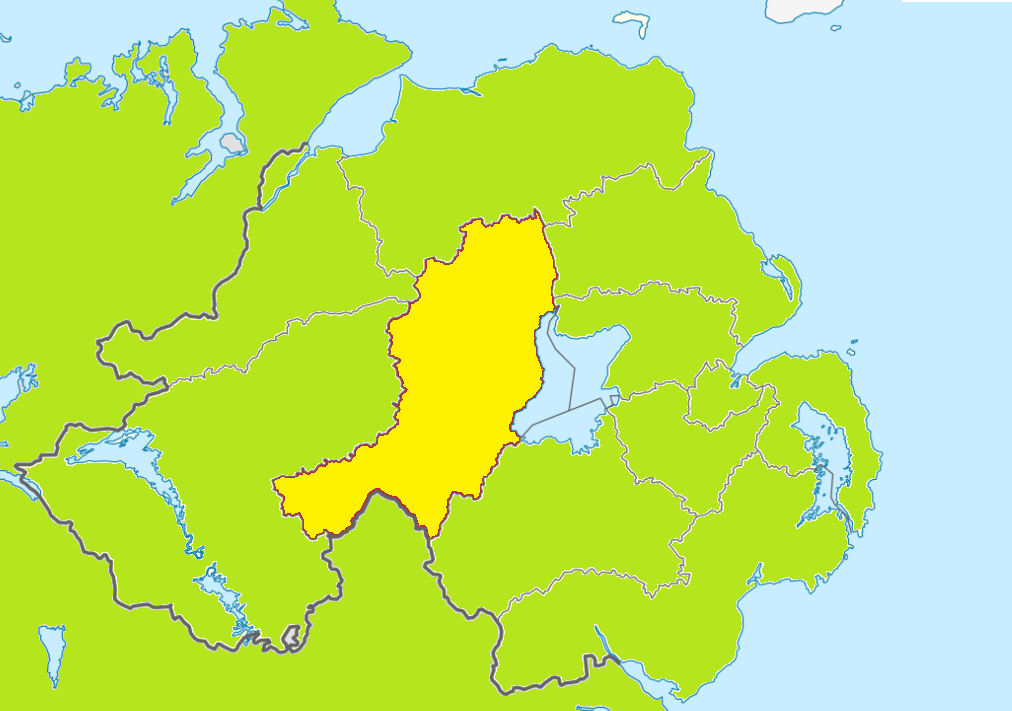
Mid Ulster appears to have been afflicted by a suicide epidemic in recent times. Deaths by suicide in the Northern Trust area (65) are the highest in NI matched only by the Southern Trust (65) and followed by the Belfast Trust (54). And the Western Trust with (50) Many of the suicide victims were still in their teens and suicide remains the leading cause of death in males under 50 throughout Northern Ireland.
These are the statistics, but they do not convey the tragic experiences of the suicide victim’s families nor do they show difficulties experienced by those who suffer from mental ill health and the stressors of living in isolation and poverty. In a 2024 report, the Northern Health and Social Care Trust noted that, “there are specific issues across rural life that amplify common challenges and lead to health inequalities... with a notable decrease in the number of social activities and services over the years” including the closure of rural post offices, banks, schools and some GP surgeries, and the relative decline of cultural events such as dances and concerts.
The report also notes increasing isolation among the farming population, as farms have become bigger, and more mechanised so that farmers don’t need to reach out to neighbours to help them during harvest or when a cow is calving for instance. “For many, farming has become a lone worker occupation”, and busy farmers “cannot find the time to socialise or think about their own wellbeing”.
These factors, coupled with economic pressures and the general decline in public services mean that more often than not the relatives of people with mental ill-health are left to cope with limited support if any at all.
To make matters worse 80% of Stormont’s Mental Health Strategy has been shelved. Mental Health Champion Professor Siobhan O’Neill has expressed concerns around the lack of funding for the Strategy, stating in October 2025 that “We are now in a very serious funding deficit, and the idea that transformation in mental health services could be delivered by 2031, without a very radical and significant increase in investment, is a complete fantasy.”
Only a fraction of one strategy out of 35 actions has been delivered, and most of the £5-6 million invested in the Strategy per annum (£12.3 million overall) has been diverted to perinatal services (almost £3 million), Child and Adolescent Mental Health Services (CAMHS) with just over £4 million, and Early Intervention and Prevention (£2.2 million).
Mental Health services have been underfunded for decades, with the annual allocation for mental health services per head of population in NI remaining much lower than neighbouring regions (£212 per head, compared with £264 in England).
An increase in funding and the recruitment of suitably qualified mental health professionals is urgently required. A Statutory Workforce review recommended a 45% increase to fill current vacancies. Any improvement in funding for the Mental Health Strategy priorities will only be progressed if there is additional funding, and to date the Minister has stated that no additional money will be provided.
For the Mental Health Champion, the Programme for Government was, the final nail in the coffin. Despite an apparent focus on transformation, the only reference to the Strategy was “continued implementation”. This represented a failure to acknowledge how little had been achieved, and worse, that the tiny steps and repeated reviews and plans were to continue for the remaining period of the Strategy.
Meanwhile the fears of friends and relatives for their loved ones with mental health problems must be endured through watchful eyes.