
Coalition government’s dismissive response to increasing electricity and gas bills for households.
John O'Rourke reports on a situation where average household electricity bills have almost doubled in the past five years under a government that is cutting energy credits to the most vulberable.

December 6th 2025
The weekly budget for households will be stretched even more than last year with the news that energy credits will not be available this winter. The number of households in electricity arrears is 300,000 at the moment, and for gas arrears the figure is 180,000. The average electricity arrear per household is at €436 and for gas, the average is €186. These statistics more than demonstrate the urgent need for the government to reinstate the energy credits for households.
Against the advice of the government’s own civil servants in the Department of Energy to keep the energy credits, the Coalition have decided to stop them based on the assumption, according to Taoiseach Micheál Martin, that firms would add the cost of the energy credits into their prices if they were included each year. This advice came to light when a memo was released on foot of a Freedom of Information request.
SE Airtricity, Pinergy, Bord Gáis, and Energia are major energy suppliers in Ireland and this year the energy companies announced price increases for electricity customers in the week before the document was prepared for Energy Minister Darragh O'Brien.
The hikes will add between €150 and €218 to customer bills, meaning the average annual electricity bill (which 5 years ago was on average €976) will rise to €1,877, just short of a 100% increase and significantly over the average inflation rate year on year. "Even with the 9pc Vat on electricity, EABs [estimated annual bills] as of October 2025 [€1,877] are higher than the previous two tariff years,” the memo said.
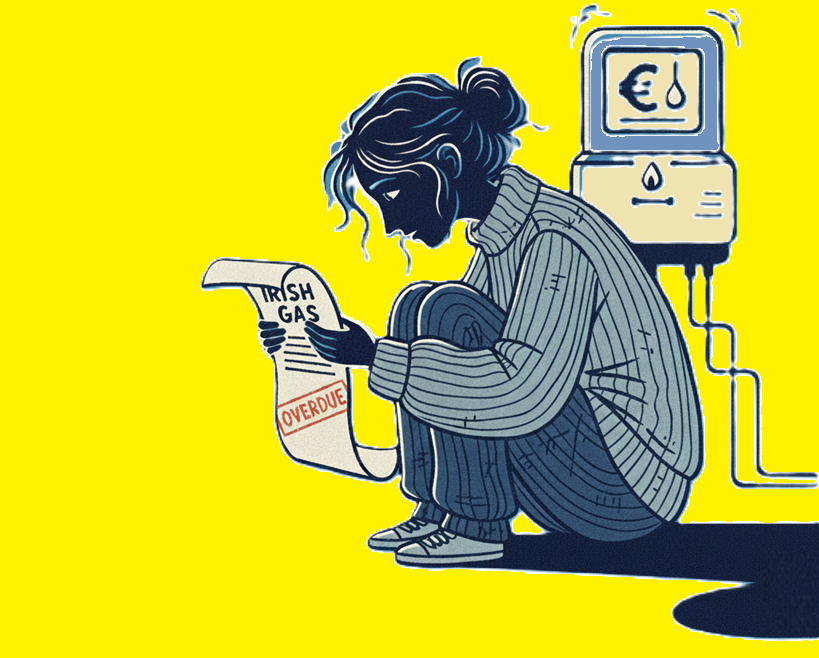
In just five years, the average price per MWh for electricity has gone from €37/MWh to €114/MWh, a cost-of-living increase which has taken hundreds of thousands into arrears.
Wholesale energy prices have gone down by 75% from their peak in 2022 however retail prices remain high at between 50% and 70% above 2021 levels. The average household electricity bills have basically doubled in the past five years from €976 to an expected €1,877 this winter, under a government that was committed to reducing the cost of living for households in Ireland.
As Jerrica Struthers has noted in her analysis of Ireland’s “Energy Vultures, the Workers’ Party is pushing for the swift return of energy credits to those most vulnerablelow-paid workers, single parents, pensioners, people with disabilities, and students in rented housing. We also call for the EU-shaped energy system to be dismantled, which would require bringing all electricity providers into public ownership.
The party further seeks to eliminate the public service obligation charge, apply a zero VAT rate to household energy bills, and erase all outstanding domestic electricity arrears. Additionally, data centres should be closed and removed from the national grid altogether. The Party aims to establish an affordable, publicly run electricity system for everyone in Ireland.