
Comrades and Friends,
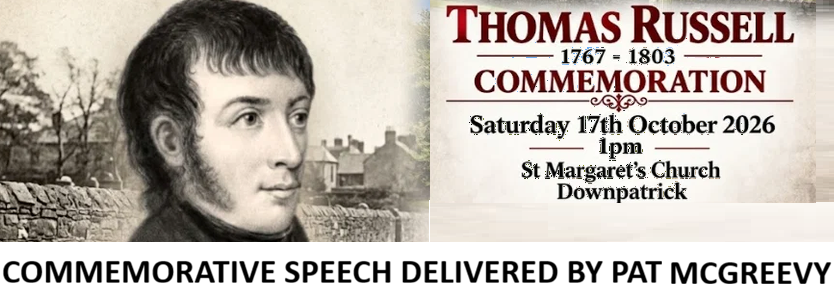
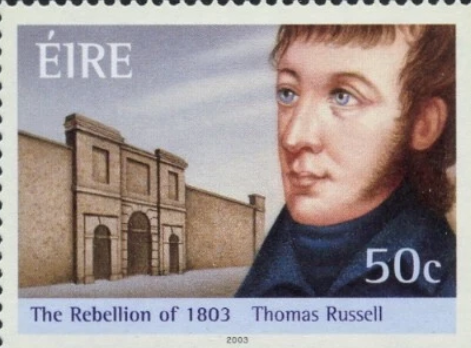
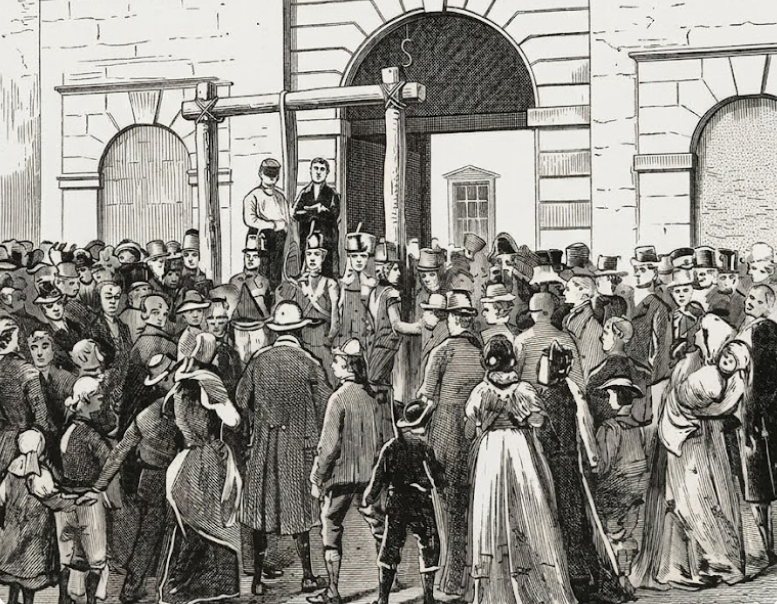
We are here today to commemorate the revolutionary life of one of the most important and influential of the United Irishmen, Thomas Russell. Russell was a man with a burning passion to build a better world – in his own words, “my very soul is on fire”. For his efforts to build a better world, he was hung then beheaded in Downpatrick jail on 21 October 1803 by the forces of counter-revolution. He dedicated his life to the cause of an independent, secular, and democratic Ireland where power lay in the hands of a united people and the robbery and oppression of the poor by monarchy, aristocracy and clergy had ended once and for all.
We in the Workers Party are here today in the same revolutionary spirit, seeking like Russell to create a better world for working people by forging the unity of Protestant, Catholic and Dissenter.
Thomas Russell was watching the debates in the Irish House of Commons one day in 1790 when he got into an argument with another spectator, a young lawyer by the name of Theobald Wolfe Tone. Their argument was over how far the liberal parliamentary opposition, the Whig Club, could be trusted, with Tone claiming that he was the more sceptical of the two. They soon became the firmest of friends, based not only on their shared politics, but on other shared interests including, it must be said, drink.
In 1796, alone in France and missing his wife Matilda and Russell equally, Tone recorded that “He is a man whom I love as a brother”. Their meeting was of the utmost importance for the revolutionary tradition in Ireland, as it was Russell who introduced Tone to the Belfast radicals with whom he would go on to found the United Irishmen.
With the radicalisation of the French Revolution and the reactionary response to demands for equality in Ireland, the politics of the two men also radicalised.
Russell spent a great deal of time working with and among the poor, and Tone’s appreciation of the importance of the people of no property and that any revolution must improve their living standards substantially, was influenced by Russell.
Russell threw himself into the revolutionary cause, working tirelessly as a writer, an educator, and an organiser. He travelled through many counties on foot, spreading the doctrine of unity against sectarianism, of liberty, of fraternity, of democracy – in short, the message of revolution. He was convinced that when the people became aware of their rights, when they felt themselves enslaved, they would resist. And he believed that knowledge being diffused by the United Irishmen would produce this.
He understood very well the importance of analysing and understanding the world around us, of asking the key questions – who held power, and what did they use it for? Who benefited from that power, and who was oppressed by it? And how did the apparent opposition share fundamentally the same commitments as the government. By asking these questions, he became convinced that reform would not be enough – only revolutionary change in politics and society could build the world he and the United Irishmen envisaged.
Russell’s understanding of the importance of both theoretical work and the organisation and agitation necessary to spread the results of that theoretical work of course reminds us in the Workers Party that Lenin drew similar conclusions, and built the Bolsheviks upon them.
For Russell, the key to the Irish revolution was simple – “All, therefore, who value the liberty and peace of Ireland should oppose … all attempts at division, and endeavour … to promote the union of Irishmen”.
We have been reminded very recently just how far our society remains divided upon sectarian lines.
The sectarian blocs, failing miserably to address the urgent needs of our people in terms of healthcare, housing, jobs, and inflation, have instead been squaring up to each other with elections on the horizon. Sectarian politics fails the working class today just as it failed the working people of Russell’s time. Just as in Russell’s time, only the union of our people can solve the problems they face.
Russell and the United Irishmen opposed the war against revolutionary France, understanding that it was a contest over what direction the politics of Europe would take. Their approach was underpinned by a revolutionary internationalism. Russell’s sense of justice was never confined to Ireland – he famously would not eat sugar given it was produced by slave labour. He spoke of how “that horrid traffic spreads its influence over the globe … creates and perpetuates barbarism and misery”. Slavery was a vital part of modern capitalism as it emerged in the eighteenth century, and today it continues to create barbarism and misery across the world.
Imperialism, the highest stage of capitalism, means exploitation, environmental destruction, oppression, and war. Just like Russell’s time, Ireland’s political and economic elites are happy to benefit from it, to enrich themselves by it. In Russell’s time Ireland’s membership of the British empire embroiled her people in war by which only the elite benefited. Today, we hear the beating of the war drums as competition among the imperialist powers is leading to re-armament at the expense of workers and the environment. There is no money to prevent ecological disaster, but plenty of money for war. The EU becomes increasingly militarised, while warmongers here push for NATO membership. The struggle against imperialism and war, and to defend neutrality, remains a key part of the struggle for peace and progress in Ireland.
Nothing stopped Russell from working for the unity of the people of Ireland, and for revolutionary change and a brighter future. His friends constantly worried about his precarious finances, he was effectively interned from 1796 to 1802, his health suffered, the family of the woman he loved refused to allow her to become involved with a democrat, but he never gave up.
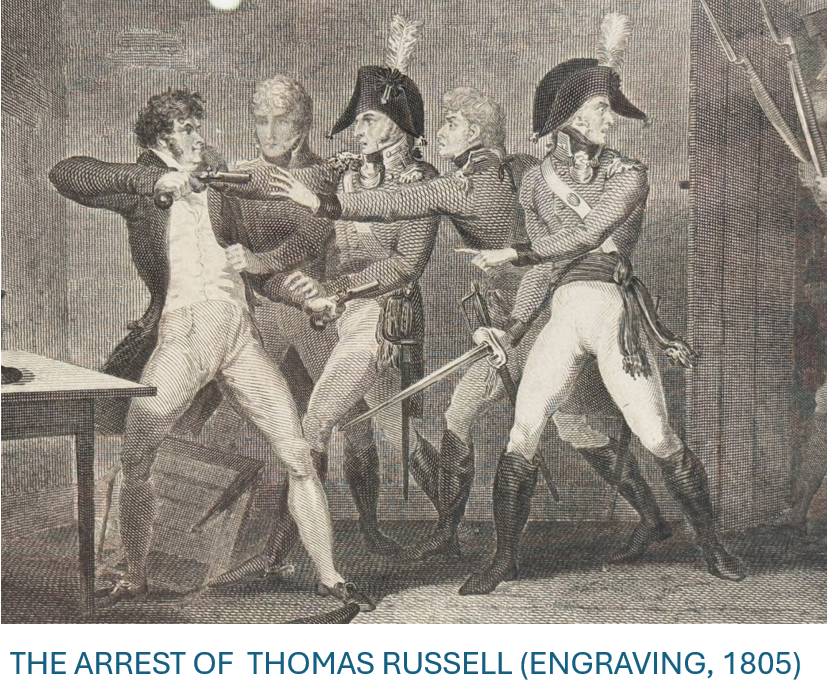
After helplessly observing the failure of 1798 and the death of his closest friend Tone and so many others, he threw himself back into the fray with Robert Emmet in 1803, knowing that to be caught meant death. He was a true revolutionary, active in every aspect of politics, offering an example of the committed revolutionary that Lenin would later describe in What is to be Done?
Comrades, when we gather here at Russell’s grave we come to remember his life, his principles, his commitment, and his actions. We honour his example by maintaining the struggle against all forms of sectarianism and division, the most basic principle Ireland’s revolutionary tradition the United Irishmen began. And one that so many fail to grasp while claiming to follow in their footsteps, and many more have abandoned under the pressure of setbacks and defeat.
And here too we look to Russell for inspiration – he never gave up, never gave in to hopelessness and despair, never sought an easy path to personal advancement and popularity at the price of abandoning his principles. He was loyal to the last.
As Russell continued unwavering in his day, so we will in ours.
Thank you, comrades.